

Introduction
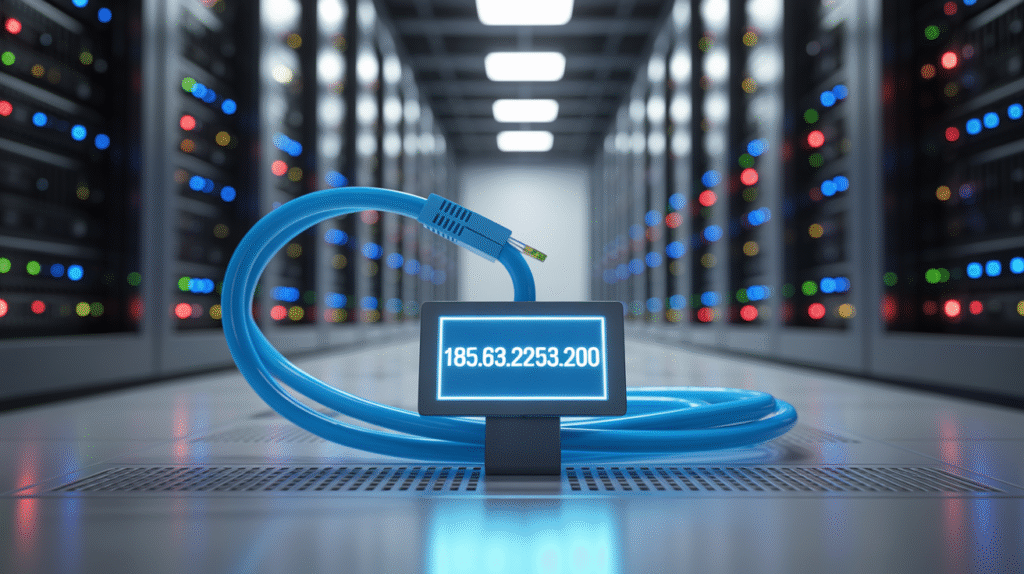
When browsing the internet or managing networks, encountering numbers like 185.63.2253.200 may seem routine. However, not all strings that resemble IP addresses are valid. In this article, we’ll break down the meaning of this specific string, why it’s technically incorrect, and how understanding IP address structure can help you avoid costly errors. We’ll also dive into the broader role of IP addresses in digital communication and online safety.
What Is Wrong with 185.63.2253.200?
A standard IPv4 address consists of four numbers (called octets) separated by periods, and each number must be between 0 and 255. The string 185.63.2253.200 violates this rule because the third octet is 2253, which exceeds the allowed limit. As a result, 185.63.2253.200 is not a valid IP address and cannot be used for network communication.
Examples of Valid IPs
- 192.168.1.1
- 8.8.8.8
- 185.63.225.200
Understanding the difference between valid and invalid IP formats is crucial in system configuration, troubleshooting, and cybersecurity.
Why Valid IP Formatting Matters
Even a single formatting error, like that in 185.63.2253.200, can result in a range of issues:
- Failed network connections
- Broken DNS resolution
- Incorrect routing
- Security risks from misconfigured firewall rules
Mistakes in IP syntax are not just technical annoyances—they can lead to real operational disruptions, especially in enterprise environments or server administration.
Anatomy of a Correct IP Address
A valid IPv4 address follows this structure: X.X.X.X, where X is a number from 0 to 255.
Each number is one byte (8 bits), making the entire address 32 bits long. This system allows for about 4.3 billion unique addresses.
Here’s a breakdown of a valid example:
185.63.225.200- 185: Identifies the larger network
- 63: Subnetwork or organization
- 225: Host group
- 200: Specific device or server
Understanding this format helps you configure firewalls, route data, and manage devices more effectively.
Why Someone Might Mistakenly Use 185.63.2253.200
There are a few common reasons people end up using malformed IP addresses:
- Typographical errors in technical documentation
- Placeholders used in development without correction
- Misunderstanding of what makes an address valid
While it might look like a normal IP, 185.63.2253.200 could cause software to crash or fail silently. Always double-check IP addresses before applying them in real-world systems.
How to Identify and Correct Invalid IPs
To fix or avoid issues with invalid IPs like 185.63.2253.200, follow these steps:
- Manually validate that each octet is between 0–255.
- Use a network tool like
pingornslookupto test reachability. - Run syntax checks in command-line tools or firewalls.
- Audit config files and DNS entries for typos.
It’s far better to catch errors during setup than to troubleshoot failed connections later.
IP Addresses in Real-World Networking
Home and Business Networks
In home routers, addresses like 192.168.0.1 help manage internal devices. Businesses rely on IPs to route traffic across servers, devices, and cloud infrastructure. In both cases, using valid addresses is non-negotiable.
Public vs. Private IPs
- Public IPs (like a corrected
185.63.225.200) are visible on the internet and assigned by ISPs. - Private IPs (like
192.168.1.5) are used within local networks and are not routable over the public web.
IPv6 Transition
While IPv4 is still widely used, IPv6 is emerging as a solution to address exhaustion. It uses a much longer format (2001:0db8:85a3::8a2e:0370:7334), which eliminates the limitations of formats like 185.63.2253.200.
IP and Cybersecurity: What You Need to Know
A malformed IP address like 185.63.2253.200 isn’t just useless—it could also be a red flag.
How Malicious Actors Might Exploit It
- Phishing scams may use fake or masked IPs.
- Spam scripts might generate pseudo-IPs to fool filters.
- Logs containing typos may hide real intrusions.
That’s why it’s critical to validate any unfamiliar IP in your server logs or access controls.
Protecting Your Network
- Firewall Filtering – Block only valid ranges; invalid ones like 185.63.2253.200 should be rejected outright.
- VPN and Proxy Usage – Mask your real IP for anonymity and security.
- Geolocation Checks – Invalid IPs return no location, which can indicate spoofing.
Incorporating automated validation and real-time monitoring of IP activity protects your network infrastructure from malicious traffic.
Best Practices for IP Management
- Document accurately – Never use placeholder IPs like 185.63.2253.200 unless clearly marked as invalid.
- Automate validation – Integrate scripts or software to check IP formats in real-time.
- Educate your team – Developers, sysadmins, and security teams should understand IP basics.
- Audit regularly – Periodic reviews of firewall rules and routing tables help prevent errors from lingering.
These best practices minimize misconfiguration and maximize uptime.
Final Thoughts on 185.63.2253.200
By now, it’s clear that 185.63.2253.200 is not a valid IP address. While it might resemble a proper format, even a single incorrect segment can invalidate the entire address. In the world of networking, precision matters. Misusing an address like this could result in failed connections, security loopholes, or wasted hours of troubleshooting.
Whether you’re managing a home setup, configuring enterprise servers, or just browsing with curiosity, understanding how IP addresses work is essential to staying secure and connected.
A great resource worth exploring is wildlifewondershots.pics.
A great resource worth exploring is devdiary.space.
We also recommend visiting techramble.space.
You might also find valuable information at NewsBuzzOnline.blog.
For related content, take a look at mondfinsternisheute.de.
A great resource worth exploring is woltemadebayern.de.
For related content, take a look at juliaklocknerneuerfreund.de.
A great resource worth exploring is gacor108.de.

